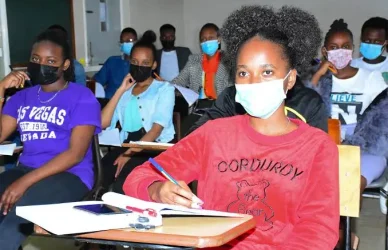



NGO Internship Opportunities in Uganda. Uganda has one of the most active non-governmental organization (NGO) sectors in East Africa. Local and international organizations work across the country in health, education, child protection, women’s empowerment, refugee support, agriculture, water and sanitation, conservation, and community development. For students and graduates who want to make a real difference while building their careers, an NGO internship can be one of the most rewarding experiences available.
NGO internships offer something special: the chance to work directly with communities, see development challenges up close, and contribute to programmes that change lives. At Uganda Internship, we connect students with non-profit organisations every year. In this guide, we explain what NGO internships involve, who they suit, where to find them, how to apply, and how to make the most of your placement.
What Is an NGO Internship?
An NGO internship is a period of supervised practical work within a non-profit or civil society organisation. Interns support programme activities, community outreach, research, monitoring and evaluation, administration, finance, communications, and fundraising. Depending on the organisation, you may spend time in an office in Kampala, at a health centre, in a school, or in rural communities in any region of Uganda.
Unlike many corporate internships, NGO placements are often hands-on and community-focused. You may help run a health education session in a village, collect data for a survey, support a school programme, or prepare a report for a donor. The work can be challenging, but it gives you a deep understanding of how development really happens on the ground.
Why Choose an NGO Internship in Uganda?
There are many reasons students choose the non-profit sector for their internship. First, NGO internships offer meaningful work. You see the direct impact of your efforts on real people, whether it is a child learning to read, a mother receiving health information, or a farmer adopting a better practice.
Second, NGOs often give interns broad exposure. Because many organisations have small teams, interns may be involved in planning, implementation, reporting, and evaluation, rather than being limited to one narrow task. Third, NGO experience is highly valued by employers in development, government, international organisations, and even the private sector, because it demonstrates empathy, adaptability, and the ability to work with diverse communities. Finally, an NGO internship can be the first step toward a career in international development, public health, social work, or humanitarian work.
Who Should Consider an NGO Internship?
NGO internships suit students from a surprisingly wide range of courses. Some of the most common include:
- Social work and social administration: Case management, child protection, community mobilisation, and psychosocial support.
- Development studies: Programme implementation, research, and community engagement.
- Public health, nursing, and medicine: Health education, clinic support, outreach, and data collection.
- Education: Teaching, mentoring, literacy programmes, and teacher training.
- Business administration, accounting, and finance: Grants management, budgeting, procurement, and financial reporting.
- Communications, journalism, and marketing: Storytelling, social media, newsletters, and donor communications.
- ICT and statistics: Databases, monitoring and evaluation systems, and data analysis.
- Agriculture, environment, and conservation: Livelihood programmes, climate projects, and natural resource management.
- Law and human rights: Legal aid, advocacy, and policy research.
Whatever your course, there is likely an NGO whose work connects to your studies.
Types of NGOs That Offer Internships in Uganda
Uganda’s non-profit sector is diverse. Understanding the main types of organisations helps you target your applications:
- International NGOs: Large organisations with offices in Kampala and field sites across the country, often working on health, education, refugees, and emergencies.
- National NGOs: Ugandan organisations working at national or regional level on specific issues such as gender, governance, or health.
- Community-based organisations (CBOs): Smaller, grassroots groups serving specific communities, where interns often get very practical experience.
- Faith-based organisations: Religious organisations running schools, hospitals, and community programmes.
- Health-focused NGOs: Organisations running clinics, outreach programmes, and health education.
- Education NGOs: Organisations supporting schools, scholarships, mentorship, and literacy.
- Conservation and environmental NGOs: Organisations working on wildlife, forests, and community conservation, often in partnership with government bodies.
You can browse current listings in our NGO internships, community empowerment internships, and health and care internships categories.
Featured Opportunity: Internships with REACH in Uganda
One of the NGO opportunities currently listed on our platform is Internships with REACH in Uganda. REACH for Uganda is an international non-profit organisation founded in 2000 and based in Kampala, working in community empowerment, health and care.
REACH offers internships in two main areas. In health, interns work with patients under the supervision of clinic staff, while public health interns support community health education at the Beatrice Tierney Health Center. REACH particularly welcomes applicants interested in nursing, obstetrics and gynaecology, infectious diseases, midwifery, paediatrics, and public health. In education, interns can teach or mentor students, provide teacher training, run workshops, and support holiday programmes at Arlington Junior School or primary schools in its Outreach Program. Applicants with teaching qualifications are especially valued.
According to the listing, interns ideally stay on site for at least three months, and the current listing expires on 5 November 2026. You can apply through Uganda Internship or contact REACH directly. Learn more on the REACH for Uganda employer profile.
Common Roles and Departments for NGO Interns
NGO interns can work in many different areas, depending on the organisation’s structure and needs:
- Programmes: Supporting project activities, organising community meetings, and helping with trainings and outreach.
- Monitoring and evaluation (M&E): Collecting and entering data, conducting surveys, and preparing progress reports.
- Research: Literature reviews, baseline studies, focus group discussions, and policy research.
- Finance and administration: Budget tracking, procurement, filing, and logistics.
- Human resources: Volunteer coordination, recruitment support, and staff records.
- Communications and fundraising: Writing success stories, managing social media, preparing newsletters, and supporting grant proposals.
- Health and social services: Supporting clinics, counselling teams, and case management under supervision.
- Education: Teaching, tutoring, mentoring, and supporting school programmes.
When you apply, say clearly which department interests you, but stay flexible. Many organisations rotate interns or assign them where help is most needed.
Skills NGOs Look for in Interns
NGOs value both technical knowledge and personal qualities. The most important include:
- Empathy and respect: Genuine care for the people you serve and respect for their culture, dignity, and privacy.
- Communication: Clear writing for reports and stories, and confident speaking with community members. Knowledge of local languages is a major advantage.
- Adaptability: Field conditions can be unpredictable. Interns who stay calm and flexible are highly valued.
- Teamwork: NGO work depends on collaboration between staff, volunteers, partners, and communities.
- Computer skills: Word, Excel, PowerPoint, email, and data collection tools such as mobile survey apps.
- Report writing: The ability to summarise activities, results, and lessons clearly.
- Integrity: Handling funds, data, and sensitive information honestly and responsibly.
If you have volunteered with a community group, church, student association, or charity, highlight this experience. It shows your commitment to service.
How to Find NGO Internship Opportunities in Uganda
Start your search three to six months before your internship period, because popular organisations receive many applications. Here are the most effective ways to find NGO internships:
- Use a dedicated internship platform: Browse our Internships page, search the full internship job list, and filter by category or city. Create a free account so employers can find your profile.
- Research organisations directly: Visit NGO websites, read about their programmes, and check their careers or volunteer pages.
- Ask your university: Many departments of social work, development studies, and public health have partnerships with NGOs.
- Network: Talk to lecturers, alumni, and professionals working in the sector. Many NGO placements are filled through referrals.
- Attend events: Development conferences, career fairs, and community events are good places to meet NGO staff.
You can also explore all host organisations in our Internship Companies directory.
NGO Internships Across Uganda’s Regions
While many NGOs have head offices in Kampala, much of their work happens in the regions. Northern Uganda hosts many organisations working on peacebuilding, refugee support, livelihoods, and education. Eastern Uganda has strong health, agriculture, and water programmes. Western Uganda, including areas around the national parks, has many conservation, community tourism, and health initiatives. Central Uganda has a wide mix of health, education, and child protection programmes.
Interning in a regional field office gives you direct contact with communities and a realistic picture of development work. Use our location filters to find opportunities in places like Kampala, Gulu, Arua, and Mbale.
How NGOs Connect with Government and Business
NGOs rarely work alone. They partner with government ministries, local governments, and private businesses to deliver services. For example, many social protection and community development programmes align with the work of the Ministry of Gender, Labour and Social Development, which also offers Internship Opportunities at the Ministry of Labour. Conservation organisations often work alongside the Uganda Wildlife Authority to support communities living near protected areas, and the UWA also offers an Internship at UWA.
Responsible businesses increasingly support community causes too. Pick and Transfer Safaris, for example, directs part of its profits to support orphaned children through the Kigezi Foundation. Tour operators such as Kenlink Tours and Menlyn Tours connect travellers with local cultures and community experiences, while hotels like Ikoro Hotel Kisoro operate close to communities bordering Mgahinga and Bwindi national parks. Technology firms such as Kenlink Technologies provide digital tools that NGOs rely on for data and communication, and banks like NCBA provide the financial services organisations need to manage funds. Training institutions such as KCI Institute prepare young people with practical skills that support community livelihoods. Understanding these partnerships makes you a more effective and employable development professional.
How to Apply for an NGO Internship
Most NGOs will ask for a combination of the following:
- A CV of one to two pages highlighting your course, skills, and any volunteer or community experience.
- A cover or application letter explaining why you want to work with that organisation and its cause.
- A university introduction or recommendation letter.
- Academic transcripts, if requested.
- Copies of your national ID or passport, and sometimes a police clearance certificate, especially for work with children.
- References from lecturers, supervisors, or community leaders.
Your application letter should show genuine understanding of the NGO’s mission. Mention a specific programme or area of work that interests you and connect it to your studies or personal experience. Avoid general statements like “I love helping people” without examples. Instead, describe what you have done, such as volunteering at a health camp or mentoring younger students.
Tips to Make Your NGO Application Stand Out
NGOs often receive many applications from passionate students, so small details make a big difference. Show that you understand the specific issue the organisation addresses, whether maternal health, girls’ education, or community conservation, and mention any reading, research, or volunteer work you have done in that area. If you speak local languages used in the organisation’s areas of operation, say so clearly, because this is a practical advantage in community work.
Be specific about your availability. NGOs plan activities around project cycles, so stating exact start and end dates, and your willingness to stay for a longer period, makes planning easier for them. Attach a short writing sample, such as a community report or blog post, if you are applying for communications or research roles. Finally, follow the organisation’s application instructions exactly and follow up politely if you do not hear back within two weeks.
Preparing for an NGO Internship Interview
NGO interviews often focus on your motivation, values, and ability to work with communities. Expect questions such as “Why do you want to work with our organisation?”, “What do you know about our programmes?”, “Tell us about a time you worked with a community or team”, and “How would you handle a sensitive situation with a beneficiary?”
Prepare by researching the organisation’s mission, programmes, and areas of operation. Be honest about your experience and show willingness to learn. For general interview preparation, read our guide on how to win an internship interview.
Ethics and Safeguarding in NGO Work
NGO interns often work with vulnerable people, including children, refugees, patients, and survivors of violence. This means ethics and safeguarding are extremely important. Most reputable NGOs will ask you to read and sign a code of conduct or safeguarding policy before you begin.
Always respect the dignity and privacy of beneficiaries. Never take or share photos of community members, especially children, without proper consent and organisational approval. Keep personal and case information confidential. Do not make promises you cannot keep, give money or gifts directly to beneficiaries, or form inappropriate relationships. If you see or suspect abuse or misconduct, report it immediately through the organisation’s official channels. Following these principles protects communities, the organisation, and you.
It is also important to respect cultural norms in the communities where you work. Greet elders appropriately, dress modestly, listen more than you speak, and ask local staff for guidance before introducing new ideas. Community members are the experts on their own lives, and the most effective interns are those who approach them with humility and genuine curiosity.
What to Expect During Your NGO Internship
NGO work can be varied and unpredictable. Some days you may be in the office entering data, writing reports, or preparing materials. Other days you may travel to communities, sometimes on rough roads and in hot or rainy weather. Workloads may increase around reporting deadlines, donor visits, or major events.
Be prepared to adapt, dress appropriately for both office and field settings, and always follow safety guidance from your supervisor. Carry water, sun protection, and essential documents when travelling. Keep a daily journal of your activities and lessons, which will help with your logbook and internship report.
Writing Your NGO Internship Report
Most universities require a report and logbook at the end of your placement. Start recording information from your first week. Describe the organisation’s background, mission, structure, programmes, partners, and areas of operation. Then explain the activities you participated in, the skills you developed, and the challenges you observed, both within the organisation and in the communities it serves.
Strong NGO internship reports connect practical experience to theory. Social work students might link field cases to theories of human behaviour or community practice, while development studies students might discuss participation, sustainability, or the role of civil society. Public health students can reflect on health promotion models and community health systems. Include thoughtful recommendations to the organisation and your university, and protect beneficiaries’ privacy by avoiding real names or identifiable details. Ask your supervisor to review and sign your logbook regularly so everything is ready when you return to campus.
Costs and Practical Considerations
Many NGO internships in Uganda are unpaid, though some organisations provide transport, field allowances, or meals during field activities. A few placements, particularly international volunteer programmes, may charge programme fees. Always clarify costs, accommodation arrangements, working hours, and supervision before accepting an offer. Our guide on how much an internship costs in Uganda explains how to plan your budget.
Be cautious of organisations that demand large payments without clear explanations, cannot provide registration details, or have no verifiable office or website. Genuine NGOs are transparent about their work and requirements.
Turning Your NGO Internship into a Career
Uganda’s development sector offers many career paths, including programme officer, community development officer, M&E officer, research assistant, communications officer, grants officer, social worker, and public health officer. Many professionals in these roles began as interns or volunteers.
To build on your internship, maintain good relationships with your supervisors and colleagues, request a recommendation letter before you leave, and keep copies of reports or materials you contributed to. Consider short courses in areas like M&E, project management, or data analysis to strengthen your profile. Keep your profile updated on our Candidates page so employers can see your experience.
For NGOs: Find Motivated Interns
If your organisation is looking for committed interns, Uganda Internship can help you reach students from many courses and regions. You can post an internship opportunity, explore our corporate packages, and read our guide on how to get internship students.
Frequently Asked Questions About NGO Internships in Uganda
Are NGO internships in Uganda paid? Many are unpaid, although some organisations offer transport or field allowances. Always confirm the terms before accepting a placement.
Which courses are best suited for NGO internships? Social work, development studies, public health, nursing, education, and business administration are common, but students from almost any course can find relevant NGO roles.
How long do NGO internships last? Most last between one and six months. Some organisations, such as REACH for Uganda, prefer interns to stay for at least three months.
Do I need experience to get an NGO internship? Not always. However, volunteer work, community service, and student leadership greatly strengthen your application.
Can I do an NGO internship outside Kampala? Yes. Many NGOs have field offices and programmes in northern, eastern, and western Uganda, offering strong community-based experience.
How do I find the latest NGO internships? Check our NGO internships category regularly and create a free profile on Uganda Internship.
NGO Internship Opportunities in Uganda
An NGO internship in Uganda is more than a requirement for graduation. It is a chance to serve communities, understand development challenges, and discover a career path with purpose. With early preparation, a sincere application, respect for ethics, and a willingness to learn, you can secure a placement that shapes both your future and the lives of the people you serve.
Learn more about Uganda Internship, contact our team for guidance, and start exploring NGO internship opportunities in Uganda today.