

Health and Medical Internships in Uganda. Few experiences shape a health professional more than time spent caring for real patients. In Uganda, where hospitals, health centers, and community health programmes serve millions of people every year, health and medical internships give students the chance to apply their knowledge, build clinical confidence, and understand how healthcare is delivered on the ground.
Whether you are studying nursing, midwifery, medicine, clinical medicine, laboratory science, pharmacy, public health, nutrition, environmental health, or health information management, a well-chosen internship can define the direction of your career. At Uganda Internship, we connect students and graduates with hospitals, clinics, NGOs, and health-related organisations across the country. In this guide, we explain the types of health and medical internships available in Uganda, where to find them, what you will do, how to apply, and how to make the most of your placement.
What Is a Health or Medical Internship?
A health or medical internship is a period of supervised practical training in a healthcare setting. Depending on your course and level, you may work in a hospital ward, outpatient clinic, maternity unit, laboratory, pharmacy, community outreach programme, health NGO, or public health office. The aim is to connect classroom learning with real practice under the guidance of qualified health professionals.
It helps to understand that the word “internship” is used in two different ways in Uganda’s health sector. For many students, it means a clinical placement or field attachment completed during their studies. For graduates of certain professional programmes, such as medicine and some other health cadres, it can also refer to a formal, regulated internship that must be completed before full professional registration. These graduate internships follow national rules and are coordinated through official channels, so always confirm the current requirements with your training institution, the Ministry of Health, and the relevant professional council.
Why Choose a Health Internship in Uganda?
Health internships offer some of the most meaningful practical experience available to students. You see a wide range of conditions, from common illnesses like malaria and respiratory infections to maternal and child health needs, chronic diseases, and emergencies. You learn how health workers make decisions with the resources available, how teams coordinate care, and how communities access services.
These placements also build essential professional qualities: compassion, communication, ethical judgement, teamwork, and resilience. Employers in hospitals, NGOs, research institutions, and public health programmes value candidates who have completed hands-on placements, because it shows they are ready for the realities of the job.
Who Can Apply for Health and Medical Internships?
Health internships suit students and graduates from many programmes, including:
- Nursing and midwifery: Ward care, maternity, antenatal and postnatal services, immunisation, and patient education.
- Medicine and clinical medicine: Clinical rotations in outpatient, inpatient, paediatrics, surgery, and obstetrics, under supervision.
- Laboratory science: Sample collection, testing, quality control, and laboratory records.
- Pharmacy and pharmaceutical sciences: Dispensing support, stock management, and patient counselling under supervision.
- Public health: Health education, disease surveillance, data collection, and community programmes.
- Nutrition and dietetics: Nutrition assessment, counselling, and community nutrition programmes.
- Environmental health: Sanitation, hygiene inspections, water quality, and food safety.
- Health information and records: Patient records, health management information systems, and data reporting.
- Psychology and counselling: Mental health support and psychosocial programmes, under professional supervision.
Students from social work, ICT, and business administration can also find relevant roles in health NGOs and hospital administration.
Types of Organisations That Offer Health Internships
Health and medical internships in Uganda are offered by a wide range of organisations:
- Government hospitals and health centres: Referral hospitals, district hospitals, and health centres at different levels host large numbers of students on clinical placements.
- Private and faith-based hospitals: These hospitals often have structured training programmes and serve diverse patient populations.
- Health NGOs: Organisations running clinics, outreach, maternal and child health, HIV, and community health programmes.
- Laboratories and diagnostic centres: Ideal for laboratory science students.
- Pharmacies and pharmaceutical companies: Placements in dispensing, distribution, and quality assurance.
- Research institutions: Opportunities in data collection, study coordination, and health research.
- District health offices and public health programmes: Exposure to planning, surveillance, and health promotion.
You can browse current listings in our health and care internships category, along with related NGO internships and community empowerment internships.
Featured Opportunity: Health Internships with REACH for Uganda
One of the health-focused opportunities listed on our platform is Internships with REACH in Uganda. REACH for Uganda is an international non-profit organisation founded in 2000 and based in Kampala, working in community empowerment, health, and care.
In its health programme, interns work with patients under the supervision of clinic staff. Public health interns support community health education at the Beatrice Tierney Health Center. REACH particularly welcomes applicants interested in nursing, obstetrics and gynaecology, infectious diseases, midwifery, paediatrics, and public health. According to the listing, interns ideally stay on site for at least three months, which allows them to build real relationships with patients and staff. The current listing expires on 5 November 2026. Learn more on the REACH for Uganda employer profile.
What You Will Do During a Health Internship
Your responsibilities will depend on your course, level of study, and placement, but common activities include:
- Taking and recording vital signs and patient histories under supervision.
- Assisting with patient care on wards, in outpatient clinics, and in maternity units.
- Participating in ward rounds and case discussions.
- Supporting immunisation, antenatal, and child health clinics.
- Collecting, labelling, and processing laboratory samples.
- Assisting with dispensing and stock management in pharmacies.
- Conducting health education sessions in facilities and communities.
- Collecting and entering data for health records and reports.
- Supporting community outreach, screening campaigns, and home visits.
Always work within your scope of training and under supervision. Never perform procedures you are not trained or authorised to do, even if you are asked. Patient safety comes first.
Skills Health Employers Look for in Interns
Health facilities and organisations look for interns who combine knowledge with the right attitude:
- Compassion and respect: Treating every patient with dignity, regardless of background or condition.
- Communication: Explaining health information clearly and listening carefully to patients and families. Local languages are a major advantage.
- Teamwork: Working effectively with doctors, nurses, clinical officers, laboratory staff, and support teams.
- Attention to detail: Accurate records, correct labelling, and careful observation can save lives.
- Ethical judgement: Respecting confidentiality, consent, and professional boundaries.
- Resilience: Coping with long shifts, emotionally challenging situations, and limited resources.
- Basic computer skills: Increasingly important as facilities use electronic records and data systems.
How to Find Health and Medical Internships in Uganda
Start your search early, ideally three to six months before your placement period. Many hospitals and health programmes receive large numbers of applications, especially during university internship seasons.
- Check with your institution: Many health training institutions have established placement arrangements with hospitals and health centres. Ask your department or placement coordinator first.
- Use a dedicated platform: Browse our Internships page and search the full internship job list using keywords such as “health”, “nursing”, or “public health”. Create a free account so organisations can find your profile.
- Approach facilities directly: Visit hospitals and health centres with a formal application letter, CV, and introduction letter.
- Research health NGOs: Many NGOs host public health, nursing, and social work interns. Explore our Internship Companies directory.
- Network: Lecturers, clinical supervisors, alumni, and health workers you know can recommend placements.
Health Internships Across Uganda’s Regions
Health internships are available in every region. Kampala has the highest concentration of referral hospitals, private hospitals, laboratories, and health NGOs, making it ideal for students seeking specialised exposure; see internships in Kampala. Regional referral hospitals and district health facilities in towns such as Gulu, Mbale, and Fort Portal offer high patient volumes and broad clinical experience.
Rural and community placements give you insight into primary healthcare, community health workers, and the real challenges of access, transport, and resources. Many students find that a rural placement teaches them more about practical problem-solving than any other experience.
How to Apply for a Health Internship
Most hospitals and health organisations will ask for:
- A formal application letter addressed to the Medical Superintendent, Director, Principal Nursing Officer, Human Resource Manager, or the office named in the listing.
- A clear CV listing your programme, clinical skills, and any volunteer or health-related experience.
- An introduction letter from your training institution.
- Academic transcripts and a copy of your national ID or student ID.
- Evidence of immunisation, such as hepatitis B vaccination, which many facilities require for clinical students.
- Professional indemnity or insurance details, where required by your institution or the facility.
Your application letter should state your programme, year, institution, and placement period, explain why you chose that facility or organisation, and highlight relevant skills. For example, a midwifery student might mention interest in maternal health and experience from previous clinical rotations. Always tailor your letter. Our guide on how to win an internship interview will help you prepare if you are invited for an interview.
Ethics, Confidentiality, and Patient Safety
Health internships carry serious ethical responsibilities. Patients trust you with personal and sensitive information, and that trust must never be broken.
- Confidentiality: Never share patient information outside the care team. Never take photographs of patients, records, or wards, and never post about patients on social media.
- Consent: Always introduce yourself as a student or intern and respect a patient’s right to decline your involvement.
- Scope of practice: Only carry out tasks you are trained and authorised to perform, under supervision.
- Infection prevention: Follow hand hygiene, protective equipment, and waste disposal rules strictly.
- Respect and dignity: Treat every patient with kindness, regardless of age, gender, condition, or social status.
- Reporting: Report errors, near misses, and concerns honestly to your supervisor.
These principles protect patients, your host facility, and your future professional career.
Remember that you are also a guest in the facility’s community. Respect cultural beliefs about illness, birth, and death, even when they differ from your own, and ask experienced staff how to communicate sensitively with patients and families. Showing cultural respect builds trust, and trust makes patients more willing to follow medical advice and return for care.
Preparing Before Your First Day
Good preparation helps you settle in quickly and earn your supervisors’ trust. Before your placement begins, revise the core skills you are likely to use, such as taking vital signs, hand hygiene, aseptic technique, drug calculations, or sample handling, depending on your course. Review common conditions you are likely to see in your facility, such as malaria, pneumonia, diarrhoeal diseases, hypertension, diabetes, and pregnancy-related conditions.
Make sure your uniform is clean and meets your institution’s and the facility’s standards. Prepare essential items, such as a pocket notebook, a pen, a watch with a second hand, and any equipment your course requires. Confirm your reporting time, the name of your supervisor, and the department you will start in. If possible, visit the facility a day early to find your way around. Arriving prepared shows professionalism and helps you learn from the very first shift.
Health Careers Beyond the Hospital
Health is connected to almost every sector, and many organisations listed on our platform play a role in keeping people healthy. The Ministry of Gender, Labour and Social Development works on social protection and workplace safety, and offers Internship Opportunities at the Ministry of Labour that suit public health and social science students interested in policy. The Uganda Wildlife Authority manages parks where the health of wildlife, people, and the environment are closely linked, an area often described as “One Health”; see the Internship at UWA.
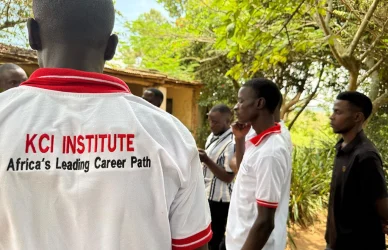
In the private sector, hospitality businesses such as Ikoro Hotel Kisoro depend on food safety and hygiene standards, which is relevant experience for environmental health students. Tour operators such as Kenlink Tours, Menlyn Tours, and Pick and Transfer Safaris must keep travellers safe on long journeys and in remote areas, where first aid knowledge and health awareness matter. Technology firms such as Kenlink Technologies build the digital systems that modern health records rely on, while banks like NCBA provide financial services to health businesses. Training institutions such as KCI Institute teach practical skills, including first aid awareness in some courses, that support safe workplaces. Understanding these connections can open doors to careers in occupational health, health information systems, and health management.
Common Mistakes Health Interns Should Avoid
Health placements leave little room for carelessness. One of the most common mistakes is trying to do too much too soon, such as attempting procedures without supervision in order to impress staff. This can harm patients and end your placement. Another is poor documentation: incomplete, unclear, or late records create risks for patient care.
Interns also sometimes forget professional boundaries, for example by discussing cases in public places, using phones on the ward, or sharing opinions about patients with outsiders. Others avoid asking questions because they fear looking unprepared. In healthcare, asking is always better than guessing. Finally, avoid absenteeism and lateness. Wards depend on every team member, and supervisors quickly notice who is reliable.
Taking Care of Yourself During a Health Internship
Health placements can be physically and emotionally demanding. You may see serious illness, loss, and difficult family situations. It is normal to feel affected. Talk to your supervisor, lecturers, or a trusted colleague about challenging experiences, and use any support services your institution provides.
Look after your own health too. Ensure your vaccinations are up to date, use protective equipment correctly, eat well, rest between shifts, and follow your facility’s guidance after any needle-stick injury or exposure. A healthy, well-supported intern provides better care.
Costs and Practical Considerations
Many health internships in Uganda are unpaid for students, though some organisations may provide meals, transport support, or accommodation, especially for rural placements. Formal graduate internships for certain health professions are governed by national arrangements, which can change, so always confirm current terms through official sources.
Budget for transport, meals, uniforms, protective items such as a stethoscope or clinical shoes, vaccinations, and accommodation if you are working away from home. Our guide on how much an internship costs in Uganda explains how to plan.
Writing Your Health Internship Report
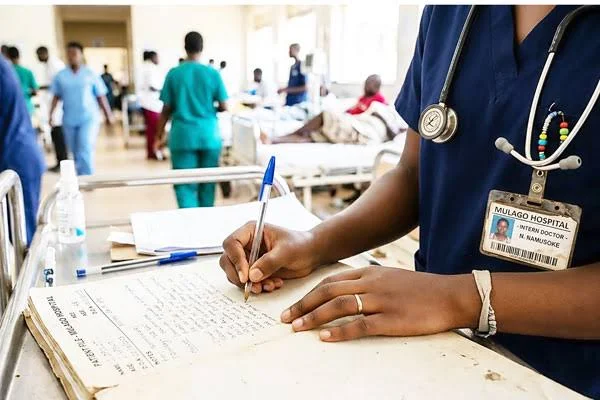
Most programmes require a logbook and report at the end of your placement. Start recording information from your first day: the facility’s background, level, departments, services, staffing, and catchment population. Note the cases you observed, procedures you assisted with, health education sessions you conducted, and the skills you gained.
Link your practical experience to your course content, such as nursing models, clinical guidelines, or public health frameworks. Discuss challenges like patient load, supplies, or referral systems, and offer thoughtful recommendations. Always protect patient privacy by avoiding names or identifying details. Ask your supervisor to sign your logbook regularly so everything is complete when you return.
Turning Your Health Internship into a Career
A strong health internship can lead to careers as a nurse, midwife, clinical officer, doctor, laboratory technologist, pharmacist, public health officer, nutritionist, environmental health officer, health records officer, or health programme manager. Many professionals are recommended for jobs by supervisors who saw their dedication during placements.
Before you leave, request a recommendation letter, keep a record of your clinical competencies, and stay in professional contact with your supervisors. Consider additional short courses in areas such as basic life support, data management, or counselling. Keep your profile updated on our Candidates page so employers can see your experience.
For Health Facilities and NGOs: Host Interns
If your hospital, clinic, laboratory, or health organisation can offer supervised placements, Uganda Internship can help you reach motivated students and graduates. You can post an internship opportunity, explore our corporate packages, and read our guide on how to get internship students.
Frequently Asked Questions About Health and Medical Internships in Uganda
Who can apply for health internships in Uganda? Students and graduates in nursing, midwifery, medicine, clinical medicine, laboratory science, pharmacy, public health, nutrition, environmental health, health records, and related programmes. Some roles in health NGOs also suit social work, ICT, and business students.
Are health internships in Uganda paid? Many student placements are unpaid, though some organisations provide meals, transport, or accommodation. Formal graduate internships for certain professions follow national arrangements, so confirm current terms through official sources.
How long do health internships last? Student placements often last one to three months. Some organisations, such as REACH for Uganda, prefer interns to stay at least three months.
Do I need vaccinations before a clinical placement? Many facilities require proof of vaccinations such as hepatitis B. Check with your institution and host facility before you start.
Can I do a health internship with an NGO? Yes. Health NGOs offer placements in clinics, community health education, and public health programmes. Browse our health and care internships category.
How do I find the latest health internships? Check our listings regularly, create a free profile on Uganda Internship, and ask your institution’s placement coordinator about partner facilities.
Health and Medical Internships in Uganda
A health or medical internship in Uganda is a chance to learn from experienced professionals, serve communities who need care, and grow into a confident, compassionate health worker. With early preparation, a strong application, strict respect for ethics and patient safety, and a genuine commitment to learning, your placement can become the foundation of a meaningful career.
Learn more about Uganda Internship, contact our team for guidance, and start exploring health and medical internships in Uganda today.