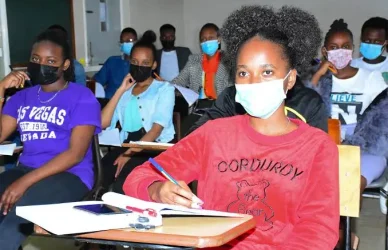



Education Internships in Uganda. Education shapes the future of every nation, and Uganda, with one of the youngest populations in the world, needs skilled, passionate educators more than ever. Teachers, trainers, school administrators, education officers, and programe staff all play a role in helping children and young people learn, grow, and build better lives. For students who want to join this vital sector, an education internship is the best place to start.
An education internship takes you beyond lesson plans on paper and puts you in front of real learners. You learn how to manage a classroom, explain difficult concepts, assess progress, support struggling students, and work with parents and colleagues. At Uganda Internship, we connect education students and graduates with schools, training institutions, and education-focused organisations across the country. In this guide, we explain the types of education internships available in Uganda, where to find them, what you will do, the skills you need, and how to build a rewarding career in education.
What Is an Education Internship?
An education internship is a period of supervised practical work in a learning environment. Depending on your course and interests, you may work in a primary or secondary school, a vocational or technical institute, a university department, an early childhood centre, an education NGO, or an organisation running literacy, mentorship, or skills programmes.
For students in teacher education programmes, this practical experience is often called school practice or teaching practice and is a formal part of training. Other students, such as those studying education management, guidance and counselling, adult education, special needs education, or development studies, may complete internships in school administration, community education programmes, or training institutions. Many graduates also take on internships or volunteer roles to gain experience before applying for teaching or education officer positions.
Why Choose an Education Internship?
Education internships offer some of the most meaningful experiences available to students. Few things are as rewarding as watching a learner finally understand a concept you explained, or seeing a shy student grow in confidence over several weeks.
Beyond personal fulfilment, education internships build valuable professional skills. You learn to plan and organise, communicate clearly, manage groups, adapt to different learning needs, and stay patient under pressure. These skills are useful in teaching, training, human resources, community development, and many other careers. Education internships also help you build references and networks, and many schools and institutions recruit former interns who showed commitment and ability.
Types of Education Internships in Uganda
Education internships come in many forms:
- Classroom teaching: Supporting or leading lessons in primary, secondary, or vocational settings under the guidance of a qualified teacher.
- Early childhood education: Working with young children in nursery or early learning centres, focusing on play-based learning and early literacy.
- Special needs and inclusive education: Supporting learners with disabilities or learning difficulties.
- Vocational and technical training: Assisting instructors in practical skills programmes such as hospitality, ICT, tourism, or trades.
- School administration: Supporting admissions, records, timetabling, finance, and communication.
- Guidance and counselling: Supporting student welfare, career guidance, and mentorship programmes under supervision.
- Education programmes in NGOs: Running literacy, mentorship, holiday, and teacher training programmes in communities.
- Education policy and research: Supporting data collection, research, and programme evaluation.
Featured Opportunity: Education Internships with REACH for Uganda
One of the education opportunities listed on our platform is offered through Internships with REACH in Uganda. REACH for Uganda is an international non-profit organisation founded in 2000 and based in Kampala, working in community empowerment, health, and education.
In its education programme, interns can teach or mentor students, provide teacher training, run workshops, and help with holiday programmes at Arlington Junior School or at primary schools in its Outreach Program. According to the listing, applicants with teaching qualifications are especially valued, and interns ideally stay on site for at least three months. This longer commitment allows interns to build real relationships with learners and teachers and to see the impact of their work over time. The current listing expires on 5 November 2026. Learn more on the REACH for Uganda employer profile.
Featured Employer: KCI Institute
KCI Institute is a professional education and training institution in Uganda focused on practical, career-oriented learning. According to its profile, it offers training in tourism, travel and tour management, hospitality, hotel management, culinary arts, wildlife conservation, ecotourism, ICT and computer studies, defensive driving, and other professional short courses, combining classroom learning with practical training.
For education interns, an institution like KCI offers exposure to technical and vocational education: how practical courses are designed, how instructors combine theory with hands-on sessions, how learners are assessed, and how student services and admissions are managed. It is especially relevant for students interested in vocational training, adult education, and education management. Learn more on the KCI Institute employer profile, and browse other education employers on our platform.
What You Will Do During an Education Internship
Your responsibilities will depend on your placement and level of training, but common tasks include:
- Observing experienced teachers and taking notes on teaching methods and classroom management.
- Preparing lesson plans, schemes of work, and teaching materials.
- Teaching lessons or parts of lessons under supervision.
- Marking assignments and tests and giving constructive feedback.
- Supporting individual learners or small groups who need extra help.
- Assisting with co-curricular activities such as sports, clubs, drama, and debates.
- Supporting school administration, including records, timetables, and communication with parents.
- Helping organise events, workshops, holiday programmes, and community outreach.
- Collecting data on learner progress for reports or programme evaluation.
Skills Schools and Education Organisations Look For
Education employers look for interns with the right combination of knowledge, skills, and attitude:
- Subject knowledge: A solid understanding of the subjects you will teach or support.
- Communication: Explaining ideas clearly and simply, and listening carefully to learners.
- Patience and empathy: Understanding that every learner learns differently and at a different pace.
- Classroom management: Creating a respectful, organised, and positive learning environment.
- Creativity: Making lessons engaging with stories, activities, games, and local examples.
- Planning and organisation: Preparing lessons, keeping records, and meeting deadlines.
- Teamwork: Working well with teachers, administrators, parents, and community members.
- Digital skills: Using computers, projectors, and digital learning tools where available.
Teaching Methods That Make a Difference
Ugandan classrooms vary widely, from well-resourced urban schools to rural schools with large classes and limited materials. Effective interns adapt to their environment. Learner-centred approaches, such as group work, discussions, practical demonstrations, and real-life examples, help keep students engaged and build understanding rather than memorisation.
Use locally available materials creatively. Bottle tops, stones, leaves, and newspaper can become counting aids, science models, or reading materials. Connect lessons to learners’ daily lives, such as farming, markets, local geography, or family experiences. Check understanding frequently through questions and short activities, and give encouraging, specific feedback. These approaches help all learners, including those who struggle in traditional lecture-style lessons.
Language also matters. In many lower primary classes, learners understand best when concepts are introduced in a familiar local language before moving to English. Follow your school’s language policy, speak clearly, and check that learners understand key vocabulary. Interns who can explain ideas in a local language are often especially effective in community and rural schools.
Classroom Management Tips for Interns
Classroom management is one of the biggest challenges for new educators. Start by observing how experienced teachers set routines and expectations. Learn learners’ names quickly, set clear rules, and apply them consistently and fairly. Begin lessons with a clear plan, keep activities well-paced, and give learners responsibilities to keep them involved.
Respond to misbehaviour calmly and respectfully, focusing on the behaviour rather than the learner. Praise positive behaviour often, and build relationships based on trust. Never use humiliation or physical punishment. Positive discipline approaches are more effective and protect learners’ dignity and wellbeing. Ask your supervising teacher for guidance whenever you face difficult situations.
Supporting Learners with Different Needs
Every classroom includes learners with different abilities, backgrounds, and challenges. Some learn quickly, while others need more time or a different approach. Some may have visual, hearing, or physical impairments, learning difficulties, or emotional challenges linked to difficult circumstances at home. Inclusive education means making sure every learner can participate and progress.
As an intern, you can support inclusion in practical ways. Seat learners who struggle to see or hear near the front, speak clearly, and write legibly on the board. Use pictures, objects, and demonstrations alongside spoken explanations. Break tasks into smaller steps, give extra time where needed, and pair learners so they can support one another. Notice learners who seem withdrawn, hungry, or distressed, and discuss your observations with your supervisor. Small acts of patience and encouragement can make a lasting difference in a child’s confidence and success.
Child Protection and Professional Conduct
Educators have a special duty of care toward learners, many of whom are children. As an intern, you must follow your school or organisation’s child protection and safeguarding policies at all times. Never be alone with a learner in a closed or hidden space, never use inappropriate language or contact, and never communicate with learners privately on social media or personal phones.
Respect learners’ privacy and dignity. Do not share photos or information about learners without proper consent and approval. If a learner discloses abuse or you notice signs that a child may be at risk, report it immediately to your supervisor or the designated child protection officer. Dress modestly and professionally, arrive on time, and model the values you want learners to develop. Organisations such as the Ministry of Gender, Labour and Social Development, which works on child protection and social development, highlight the importance of protecting children in every setting. Students interested in this area can explore the Internship Opportunities at the Ministry of Labour.
Education Beyond the Classroom
Education happens in many places beyond schools. Tourism and conservation organisations run environmental education programmes. The Uganda Wildlife Authority works with communities and schools around national parks on conservation awareness, offering interesting opportunities for students who want to combine education with environmental work; see the Internship at UWA.
Businesses also invest in training. Tour operators such as Kenlink Tours, Menlyn Tours, and Pick and Transfer Safaris train guides and staff in customer care, destination knowledge, and safety, while hotels like Ikoro Hotel Kisoro train staff in service standards. Banks such as NCBA run financial literacy initiatives and staff training, and technology firms such as Kenlink Technologies support digital learning tools. Public bodies such as the Uganda Revenue Authority also run taxpayer education. Education graduates with strong training and communication skills can find rewarding roles in all of these settings. Explore all host organisations in our Internship Companies directory.
Using Technology in Education
Digital tools are increasingly part of learning in Uganda, especially in urban schools, universities, and training institutes. Interns who can use computers, projectors, presentation software, and simple online tools can add great value. You might help prepare digital lesson materials, create short educational videos, manage simple online quizzes, or support learners in computer lessons.
At the same time, many schools have limited access to technology, so the best educators can teach effectively with or without it. Focus on clear explanations and active learning first, and use technology where it genuinely improves understanding.
How to Find and Apply for Education Internships
Start your search early, ideally three to six months before your placement period.
- Check with your institution: Teacher education programmes often arrange or approve school practice placements, so follow your faculty’s guidance.
- Use Uganda Internship: Search the full internship job list using keywords such as “education”, “teaching”, or “training”, browse our Internships page, and explore NGO internships and community empowerment internships. Create a free account so organisations can find your profile.
- Approach schools directly: Deliver a professional application letter and CV to the head teacher or director of studies.
- Contact education NGOs: Many run literacy, mentorship, and holiday programmes that welcome interns.
Your application should include a CV highlighting your subjects, teaching experience, and co-curricular involvement, a tailored application letter, an introduction letter from your institution, your academic transcript, and copies of your IDs. Some schools and organisations may also request a police clearance certificate or references, especially for work with children. If invited for an interview, read our guide on how to win an internship interview.
Preparing for an Education Internship Interview
Education interviews often focus on your motivation, your understanding of learners, and your practical teaching ability. Expect questions such as “Why do you want to work in education?”, “How would you handle a learner who is disrupting the class?”, “How would you support a learner who is struggling?”, and “How would you make a lesson engaging?” Some schools may ask you to teach a short demonstration lesson.
Prepare a short sample lesson on a topic in your subject area, with clear objectives, an engaging introduction, learner activities, and a way to check understanding. Dress professionally, arrive early, and show warmth, confidence, and enthusiasm for learning.
Education Internships Across Uganda
Education internships are available in every region. Kampala has many schools, universities, training institutes, and education NGOs; browse internships in Kampala. Regional towns such as Gulu, Mbale, and Masaka also have schools, colleges, and community education programmes. Rural placements can be especially rewarding, offering insight into the real challenges and opportunities of education in Uganda.
Common Mistakes Education Interns Should Avoid
Many new educators make similar mistakes. Some arrive without lesson plans and try to teach from memory, which leads to disorganised lessons. Others talk for most of the lesson without involving learners, or move too quickly without checking understanding. Inconsistent rules and favouritism can quickly damage classroom discipline and trust.
Avoid becoming too informal with learners, especially older students, and never share personal contacts or social media accounts with them. Do not ignore feedback from your supervising teacher; it is one of the most valuable parts of your internship. Finally, avoid missing school days or arriving late, as learners and colleagues depend on you. Reliability, preparation, and respect will earn you the trust of everyone in the school community.
Writing Your Education Internship Report
Most programmes require a report or teaching practice file. Record information from your first week: the school or organisation’s background, structure, learner population, curriculum, and resources. Keep copies of lesson plans, schemes of work, and reflections after each lesson, noting what worked and what you would improve.
Link your experience to educational theories and methods from your course, such as learner-centred teaching, assessment for learning, or inclusive education. Discuss challenges such as large classes or limited materials, and suggest practical solutions. Protect learners’ privacy by not using full names or identifying photos.
Costs and Practical Considerations
Many education internships are unpaid, though some schools and organisations provide meals, accommodation, or small allowances, especially for longer or rural placements. Always confirm the terms before accepting. Budget for transport, meals, professional clothing, and teaching materials. Our guide on how much an internship costs in Uganda explains how to plan.
Career Paths After an Education Internship
An education internship can lead to careers as a teacher, early childhood educator, special needs educator, vocational instructor, lecturer, school administrator, director of studies, head teacher, guidance and counselling officer, education officer, curriculum developer, education programme officer in an NGO, or corporate trainer. Many educators also build careers in education policy, research, and educational technology.
Use your internship to build relationships, collect strong lesson plans and teaching evidence, and request a recommendation letter before you leave. Keep your profile updated on our Candidates page so employers can see your experience.
For Schools and Education Organisations: Host Interns
If your school, training institute, or education programme can supervise interns, they can support teaching, mentorship, administration, and holiday programmes while learning from your team. You can post an internship opportunity, explore our corporate packages, and read our guide on how to get internship students.
Frequently Asked Questions About Education Internships in Uganda
Who can apply for education internships in Uganda? Students and graduates in education, early childhood development, special needs education, guidance and counselling, education management, and related fields. Some roles also suit students from other courses who have strong subject knowledge and a passion for teaching.
Is school practice the same as an internship? School practice is a formal part of teacher training, usually arranged or approved by your institution. Internships can also include placements in NGOs, training institutes, and education programmes.
Are education internships paid? Many are unpaid, though some provide meals, accommodation, or small allowances. Always confirm the terms before accepting.
Do I need a police clearance certificate? Some schools and organisations working with children request one. Check the requirements with your host organisation.
How long do education internships last? Durations vary. Some organisations, such as REACH for Uganda, prefer interns to stay at least three months.
How do I find the latest education internships? Check our job list, NGO and community empowerment categories regularly, and create a free profile on Uganda Internship.
Education Internships in Uganda
An education internship in Uganda is your chance to make a real difference in learners’ lives while building the skills and confidence to succeed as an educator. With careful preparation, creative teaching, strong respect for child protection, and a genuine commitment to every learner, your placement can become the foundation of a meaningful and rewarding career.
Learn more about Uganda Internship, contact our team for guidance, and start exploring education internships in Uganda today.