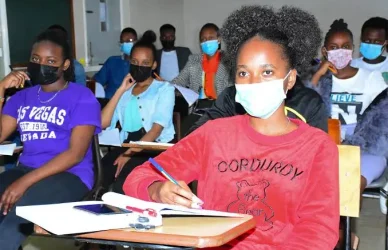



Social Work Internships in Uganda. Social workers stand alongside people at some of the most difficult moments of their lives. They support children who need protection, families facing poverty or conflict, survivors of violence, people living with illness or disability, older persons, refugees, and communities working to improve their wellbeing. In Uganda, where many households face economic and social challenges, social workers play an essential role in connecting people to support, protecting rights, and strengthening communities.
For students of social work and social administration, community development, and related courses, an internship (often called fieldwork or field attachment) is where professional identity truly begins. It is where you first conduct an assessment, support a client through a crisis, link a family to services, and reflect on your own values in real situations. At Uganda Internship, we connect social work students with organisations across the country. In this guide, we explain the main social work practice settings in Uganda, what you will do, the skills and ethics you need, how to apply, and how to grow into a confident social work professional.
What Is a Social Work Internship?
A social work internship is a period of supervised practice in an organisation that provides social services, protection, or community development. Under the guidance of an experienced practitioner, interns apply social work theories, methods, and values to real cases and communities. Typical activities include case assessment, counselling support, home visits, referrals, community mobilisation, group work, record keeping, and report writing.
Most social work and social administration programmes in Uganda require fieldwork placements, often in the second and third years of study. Your institution will usually provide guidelines on placement duration, supervision, logbooks, and assessment. Always follow these requirements closely and keep your field supervisor and academic supervisor informed of your progress.
Why Social Work Internships Matter
Social work is a practice profession. Knowing the theory of case management or child protection is important, but applying it with a frightened child, a grieving parent, or a community in conflict requires skill, sensitivity, and judgement that can only be developed through supervised experience.
A good internship helps you build core competencies such as interviewing, assessment, intervention planning, referral, documentation, and evaluation. It also helps you understand how social services are organised in Uganda, from community structures to district offices, health facilities, schools, and NGOs. Just as importantly, it helps you discover which area of practice you are most passionate about, whether child protection, health, community development, disability, mental health, or work with older persons.
Social Work Practice Settings in Uganda
Social workers in Uganda work in many settings, each offering different learning experiences:
- Government social welfare services: District and municipal community development and probation offices handle child protection, family disputes, juvenile justice, and support for vulnerable groups.
- Hospitals and health facilities: Medical social workers support patients and families with counselling, discharge planning, financial challenges, and referrals.
- Schools and education institutions: School social work addresses absenteeism, abuse, child welfare, and psychosocial support.
- NGOs and community-based organisations: Deliver programmes in child protection, gender-based violence prevention, HIV support, livelihoods, and community empowerment.
- Refugee and humanitarian settings: Provide protection, case management, and psychosocial support to refugees and host communities.
- Child care and rehabilitation services: Support children in alternative care, family tracing and reunification, and rehabilitation.
- Disability and older persons’ services: Promote inclusion, access to services, and care for people with disabilities and older persons.
- Correctional and justice settings: Support offenders, juveniles, and victims within the justice system.
You can browse current listings in our NGO internships, community empowerment internships, health and care internships, and government organisation internships categories.
Social Work in Government: The Ministry of Gender, Labour and Social Development
The Ministry of Gender, Labour and Social Development is central to social work in Uganda. It is responsible for social protection, gender equality, child protection, community development, labour and employment, and support for vulnerable groups such as people with disabilities and older persons. Interning at the Ministry gives social work students a powerful understanding of the policies, programmes, and systems that shape social services nationwide.
According to our Internship Opportunities at the Ministry of Labour listing, interns are attached to different departments within the Ministry and supervised by government technical officers with social development expertise. The Ministry offers one two-month placement each year, and applications are made through the Permanent Secretary. The current listing expires on 6 November 2026. This placement is ideal for students interested in social policy, child protection systems, and national social development programmes.
Featured Opportunity: Community and Health Social Work with REACH for Uganda
REACH for Uganda is an international non-profit organisation founded in 2000 and based in Kampala, working in community empowerment, health, and education. Its Internships with REACH in Uganda offer opportunities in health and education settings, including community health education at the Beatrice Tierney Health Center and support for learners and teachers at Arlington Junior School and primary schools in its Outreach Program.
For social work students, settings like these provide exposure to families and children in health and school contexts, community outreach, and psychosocial support. According to the listing, interns ideally stay at least three months, which allows time to build trusting relationships, follow cases over time, and see the results of interventions. The listing expires on 5 November 2026. Learn more on the REACH for Uganda employer profile.
What You Will Do During a Social Work Internship
Your responsibilities will depend on your placement and level of training, but common tasks include:
- Intake and assessment: Interviewing clients, gathering information, and identifying needs, strengths, and risks.
- Case management: Developing and following up on care plans, coordinating services, and documenting progress.
- Counselling support: Providing basic supportive counselling and psychosocial support under supervision.
- Home visits: Visiting families to assess living conditions, follow up on cases, and strengthen support.
- Referrals: Linking clients to health, legal, education, economic, and protection services.
- Group work: Facilitating support groups, life skills sessions, and parenting or youth groups.
- Community work: Mobilising communities, running awareness sessions, and supporting community-led initiatives.
- Documentation: Maintaining accurate case files, records, and reports.
- Advocacy: Supporting efforts to improve services and protect rights.
Always work within your level of competence and under supervision, especially in high-risk cases such as abuse, suicide risk, or violence.
Core Skills for Social Work Interns
Social work employers look for interns who combine knowledge, practical skill, and personal qualities:
- Active listening: Giving full attention, reflecting feelings, and helping clients feel heard and respected.
- Interviewing and assessment: Asking clear, sensitive questions and gathering accurate information.
- Empathy and respect: Understanding clients’ experiences without judgement.
- Communication: Speaking clearly and respectfully with clients, families, colleagues, and partners, and writing clear case notes and reports. Local language skills are especially valuable.
- Problem-solving: Working with clients to identify realistic options and plans.
- Networking and referral: Knowing which services exist and how to link clients to them.
- Cultural competence: Respecting cultural, religious, and social diversity.
- Self-awareness: Recognising your own values, biases, and emotional reactions.
- Teamwork: Collaborating with health workers, teachers, police, local leaders, and other professionals.
Social Work Methods You Will Apply
During your internship, you will put into practice the main social work methods you studied:
- Social casework: Working one-to-one with individuals and families to address specific problems, using a structured process of engagement, assessment, planning, intervention, and evaluation.
- Social group work: Using groups, such as support groups or youth clubs, to help members share experiences, learn skills, and support each other.
- Community organisation and development: Helping communities identify their needs, mobilise resources, and take collective action.
- Social welfare administration: Planning, managing, and evaluating social services and programmes.
- Social research: Collecting and analysing information to understand problems and improve services.
- Social action and advocacy: Working to change policies and practices that harm vulnerable people.
Observe how experienced practitioners combine these methods, and discuss with your supervisor how theory informs their decisions.
Ethics and Values in Social Work Practice
Social work is guided by strong ethical principles, including respect for human dignity, social justice, integrity, confidentiality, and competence. As an intern, you must apply these principles in every interaction.
Keep client information strictly confidential, sharing it only with your supervisor and relevant team members when necessary for the client’s wellbeing. Explain your role as a student intern honestly, and seek informed consent before involving clients in activities. Respect clients’ right to make their own decisions wherever possible, while acting to protect those at risk of serious harm. Never accept gifts or money from clients, never form personal or romantic relationships with them, and never share their stories or photos on social media.
When you are unsure about an ethical issue, such as whether to break confidentiality to protect a child, always consult your supervisor immediately. Ethical practice protects clients, builds trust in the profession, and protects you.
Child Protection and Safeguarding
Many social work interns in Uganda work with children. Child protection must be your highest priority. Familiarise yourself with your organisation’s child protection policy and reporting procedures before your first day. Never be alone with a child in a closed or hidden space, never use physical punishment or humiliation, and always maintain professional boundaries.
If a child discloses abuse, listen calmly, do not promise to keep secrets, reassure the child that telling was the right thing, and report immediately to your supervisor or the designated child protection officer. Accurate, timely documentation is essential. Remember that your role is to follow procedures and protect the child, not to investigate on your own.
Social Work and the Wider Community
Social workers work closely with many sectors, including organisations you might not immediately associate with social services. The Uganda Wildlife Authority works with communities living near national parks on conservation and community benefit programmes, an area where community development skills are highly relevant; see the Internship at UWA. Tourism businesses such as Pick and Transfer Safaris, which supports orphaned children through the Kigezi Foundation, show how private companies can contribute to social welfare. Tour operators such as Kenlink Tours and Menlyn Tours connect travellers with community and cultural experiences, while hotels like Ikoro Hotel Kisoro employ and engage local communities near Mgahinga and Bwindi.
Financial inclusion is another important link. Many families social workers support struggle with savings, credit, and money management, and banks such as NCBA provide services that can be part of a household’s path to stability. Technology firms such as Kenlink Technologies build the databases and digital tools that modern case management increasingly relies on, and training institutions such as KCI Institute provide practical skills training that social workers often refer young people to for livelihoods. Understanding these connections makes you a more resourceful social worker. Explore all host organisations in our Internship Companies directory.
Documentation and Report Writing
Good documentation is a core social work skill. Case notes must be accurate, objective, timely, and respectful. Record what you observed and what the client said, separating facts from your professional opinions. Use clear language, avoid unnecessary jargon, and never include judgemental comments.
Keep files secure, follow your organisation’s procedures for storing and sharing information, and never take case files home. Practise writing short, structured reports that summarise the situation, assessment, actions taken, and next steps. Supervisors and partner organisations rely on these records to make decisions that affect clients’ lives.
Self-Care and Supervision
Social work can be emotionally demanding. You may hear distressing stories, witness hardship, and feel frustrated when systems cannot meet clients’ needs. These reactions are normal. Regular supervision is one of the most important supports available to you. Use it to discuss difficult cases, reflect on your feelings, ask questions, and learn.
Look after your own wellbeing by maintaining healthy routines, setting boundaries between work and personal life, and talking to trusted people about how you feel, without sharing confidential details. If you feel overwhelmed, tell your supervisor or academic supervisor early. Caring for yourself is not selfish; it allows you to continue caring for others effectively.
Common Mistakes Social Work Interns Should Avoid
New social workers often want to “fix” every problem immediately, which can lead them to make promises they cannot keep or to take decisions for clients instead of with them. Others become overly involved, sharing personal phone numbers, giving money, or visiting clients outside working hours. These actions, however well-meant, blur professional boundaries and can harm both the client and the intern.
Other common mistakes include writing judgemental case notes, discussing cases with friends or family, delaying reports of abuse, and handling high-risk situations alone. Some interns also neglect supervision, missing valuable opportunities to learn. Remember that good social work is collaborative, client-centred, and carefully documented, and that asking for guidance is a sign of professionalism, not weakness.
How to Find and Apply for Social Work Internships
Start your search early, ideally three to six months before your fieldwork period.
- Follow your institution’s guidance: Many social work programmes have partner organisations and approved placement sites.
- Use Uganda Internship: Search the full internship job list using keywords such as “social work”, “community”, “child protection”, or “counselling”, and browse our Internships page. Create a free account so organisations can find your profile.
- Approach district offices directly: Visit community development and probation offices with your introduction letter and CV.
- Contact NGOs and health facilities: Many welcome social work interns, especially those committed to longer placements.
Your application should include a CV highlighting volunteer and community experience, a tailored application letter, an introduction letter from your institution, your academic transcript, and copies of your IDs. Some organisations working with children may request references or a police clearance certificate. For interview preparation, read our guide on how to win an internship interview.
Social Work Internships Across Uganda
Social work placements are available in every district. Kampala has many NGOs, hospitals, and national institutions; browse internships in Kampala. Regional and rural placements in areas such as Gulu, Arua, and Mbale offer rich experience in community development, refugee support, and district social welfare services.
Writing Your Fieldwork Report
Most social work programmes require a fieldwork report and logbook. Start recording information from your first week: the organisation’s background, mission, structure, services, target groups, and partners. Keep anonymised notes on the types of cases you handled, the methods you used, and what you learned from each.
In your report, link your practice to social work theories and models, such as the ecological systems approach, strengths-based practice, or the problem-solving model. Discuss challenges you observed, such as limited resources, referral gaps, or cultural barriers, and offer realistic recommendations. Never include clients’ real names or identifying details, and ask your field supervisor to review and sign your logbook regularly.
Costs and Practical Considerations
Most social work internships are unpaid, though some NGOs provide transport for field activities, meals, or small allowances. Always confirm terms before accepting a placement. Budget for transport, especially for home visits, meals, professional clothing, and stationery. Our guide on how much an internship costs in Uganda explains how to plan.
Career Paths After a Social Work Internship
A social work internship can lead to careers as a social worker, case manager, probation and social welfare officer, community development officer, child protection officer, medical social worker, school social worker, counsellor, gender-based violence officer, protection officer in humanitarian settings, programme officer, or social policy analyst. With experience and further study, social workers also move into supervision, management, research, and teaching.
Build on your internship by requesting a recommendation letter, keeping non-confidential examples of your work, and joining professional networks and associations for social workers. Keep your profile updated on our Candidates page so employers can see your experience.
For Organisations: Host Social Work Interns
If your organisation provides social services, protection, or community development, social work interns can support case management, outreach, and programme activities while learning from your team. You can post an internship opportunity, explore our corporate packages, and read our guide on how to get internship students.
Frequently Asked Questions About Social Work Internships in Uganda
Where can social work students do internships in Uganda? District community development and probation offices, the Ministry of Gender, Labour and Social Development, hospitals, schools, NGOs, refugee settings, and child care and rehabilitation services.
Is fieldwork the same as an internship? Fieldwork or field attachment is the formal practical component of social work training. It is often referred to as an internship and follows your institution’s guidelines.
Are social work internships paid? Most are unpaid, though some organisations provide transport, meals, or small allowances. Always confirm the terms before accepting.
What should I do if a child discloses abuse? Listen calmly, do not promise secrecy, reassure the child, and report immediately to your supervisor or designated child protection officer.
How long do social work internships last? Durations vary by institution and organisation. The Ministry of Labour offers a two-month placement, while REACH for Uganda prefers interns to stay at least three months.
How do I find the latest social work internships? Check our NGO, community empowerment, and government categories regularly and create a free profile on Uganda Internship.
Social Work Internships in Uganda
A social work internship in Uganda is where you begin to turn compassion into professional practice. With strong listening and assessment skills, a firm commitment to ethics and child protection, regular supervision, and genuine respect for the people you serve, your placement can lay the foundation for a meaningful career that changes lives and strengthens communities.
Learn more about Uganda Internship, contact our team for guidance, and start exploring social work internships in Uganda today.