


Government Internship Opportunities in Uganda. For many Ugandan students, an internship in government is the dream placement. Ministries, authorities, and agencies offer something few other employers can: exposure to how the country is actually run, structured supervision by experienced public servants, and a respected name on your CV. A placement at a tax body, a conservation authority, or a ministry can open doors to careers in public service, development organisations, and the private sector alike.
But government internships are also some of the most competitive and most misunderstood. Students often do not know which institutions take interns, when to apply, what documents are required, or how the selection process works. At Uganda Internship, we list verified opportunities from public institutions every year, and in this guide we explain everything you need to know about government internship opportunities in Uganda, from where to find them to how to stand out and make the most of your placement.
Why Choose a Government Internship in Uganda?
A government internship gives you a front-row seat to public administration, policy, and service delivery. Instead of studying how institutions work from a textbook, you see how decisions are made, how budgets are managed, how services reach citizens, and how different departments coordinate with each other.
There are several practical advantages too. Government bodies usually have formal internship structures, including supervisors, departmental rotations, and assessment forms that match what universities require. The experience is highly regarded by employers across sectors, because it shows discipline, an understanding of regulations, and the ability to work within formal systems. Government interns also build networks with public officers, which can be valuable when applying for jobs, scholarships, or further studies. Finally, many public institutions offer placements across the country, so students outside Kampala are not left out.
Types of Government Institutions That Offer Internships
Government internships in Uganda are not limited to ministries. Opportunities exist across a wide range of public bodies, including:
- Ministries: Central government ministries host interns in departments such as administration, planning, finance, human resources, ICT, and technical units related to their mandate.
- Authorities and agencies: Semi-autonomous bodies such as revenue, wildlife, roads, environment, and statistics authorities often run structured internship programmes.
- Local governments: District and municipal councils offer placements in community development, health, education, planning, production, and administration.
- Public hospitals and health centres: Medical, nursing, laboratory, and public health students regularly train in government health facilities.
- Public universities and colleges: Administrative, library, ICT, and finance departments in public institutions often take interns.
- Government-owned companies and regulators: Utilities, broadcasters, and regulatory bodies provide exposure in engineering, communications, law, and finance.
You can browse current openings from public bodies on our dedicated government organisation internships page.
Featured Government Internship Opportunities on Uganda Internship
Below are some of the government placements currently listed on our platform. Always open the listing to confirm the latest details, deadlines, and requirements before applying.
Internships at Uganda Revenue Authority (URA)
The Uganda Revenue Authority is responsible for assessing and collecting tax revenue for the Government of Uganda. Its internship programme gives students exposure to tax administration and the wider work of one of the country’s most important public institutions. Placements are temporary, lasting a few months, and the programme is open to students but is highly competitive, with specific criteria that applicants must meet.
One of the biggest advantages of the URA programe is its national reach. Our Internships at Uganda Revenue Authority (URA) listing covers Kampala, Jinja, Mbale, Gulu, Arua, Masaka, Fort Portal, and Kisoro. Applications are submitted through the URA careers portal, so create your account early and prepare your documents in advance. Students of accounting, finance, economics, law, business administration, ICT, statistics, and related courses are especially well suited to URA placements. Browse more business administration internships if finance and tax are your area of interest.
Internship at Uganda Wildlife Authority (UWA)
The Uganda Wildlife Authority manages Uganda’s national parks and wildlife reserves. Its internship gives students hands-on experience in wildlife conservation, protected area management, and tourism operations. Interns can be placed in any of Uganda’s ten national parks, which makes this one of the most exciting placements for students of tourism, wildlife management, environmental science, forestry, veterinary medicine, and conservation.
According to our Internship at UWA listing, applicants need an introductory letter from their school, a school ID, and an insurance fee of UGX 80,000. The current listing expires on 6 November 2026, so interested students should apply as soon as possible. You can learn more about the organisation on our Uganda Wildlife Authority employer profile and explore related tourism internships.
Internship Opportunities at the Ministry of Gender, Labour and Social Development
The Ministry of Gender, Labour and Social Development promotes social protection, gender equality, labour rights, and community development. Interns are attached to different departments within the Ministry and supervised by government technical officers with expertise in social development.
Our Internship Opportunities at the Ministry of Labour listing explains that the Ministry offers one placement period of two months each year, and that all placements are applied for through the Permanent Secretary of the Ministry. Placements are guided by the Uganda Government Standing Orders and the relevant circular standing instructions. This listing also expires on 6 November 2026. Students of social work, social sciences, development studies, gender studies, human resource management, law, and public administration will find this placement particularly relevant.
Matching Your Course to the Right Government Institution
One of the smartest ways to improve your chances is to apply where your course fits naturally. Accounting, finance, economics, and statistics students are well suited to revenue, finance, planning, and statistics bodies. Law students can look at ministries, regulators, and justice-sector institutions. Tourism, wildlife, forestry, and environmental science students fit conservation and environment authorities, as well as national parks. Social work, development studies, and gender studies students match social development ministries and district community development offices.
ICT and computer science students are in demand almost everywhere, because nearly every public body is digitising its records and services. Engineering students can target roads, energy, water, and works departments. Health students train in public hospitals and district health offices, while education students can join district education departments and public schools. When your course clearly matches the institution’s mandate, your application becomes much easier for the selection team to approve.
Who Is Eligible for Government Internships in Uganda?
Eligibility differs between institutions, but most government internships are designed for students currently enrolled in a recognised university or tertiary institution. Some programmes also accept recent graduates. In general, you should expect the following requirements:
- Proof that you are a registered student, usually an introductory or recommendation letter from your institution.
- A valid student ID and, in many cases, a national ID.
- A course of study that is relevant to the institution’s work or to the department you want to join.
- A clean academic and disciplinary record.
- In some cases, payment of a small fee, such as insurance cover for field placements.
Always read the full listing carefully. Some institutions specify year of study, minimum grades, or particular courses. Applying for a placement for which you are not eligible wastes your time and the institution’s.
When to Apply for Government Internships
Timing is one of the most important factors in securing a government placement. Many public institutions plan their internship intake months in advance and receive far more applications than they have places. Some, like the Ministry of Gender, Labour and Social Development, run a single placement period each year, so missing the window means waiting another year.
As a rule, begin preparing at least three to six months before your internship period. Check listings regularly, note every deadline, and submit your application well before the closing date. You can set up your free candidate profile by registering an account on Uganda Internship, then keep an eye on the Internships page and the full internship job list for new government postings.
Documents You Need to Apply
Government institutions follow formal procedures, so incomplete applications are often rejected without review. Prepare a neat file containing:
- Application letter: Addressed to the correct office, such as the Permanent Secretary, Commissioner General, Executive Director, or Human Resource Manager, depending on the institution.
- Curriculum vitae: One to two pages, clearly showing your course, skills, and any relevant experience.
- University introductory letter: Confirming your registration and the internship period.
- Academic transcript or results slip: Where requested.
- Copies of your student ID and national ID.
- Any required payment receipt, such as insurance fees.
- Internship logbook or assessment forms from your institution.
Make several copies of each document and keep digital scans on your phone or email, because many institutions now accept or require online submissions.
How to Write a Strong Government Internship Application Letter
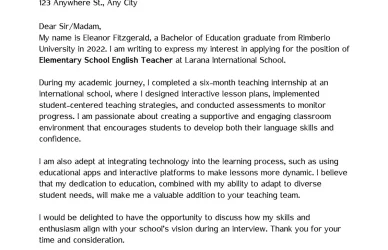
Your application letter should be formal, concise, and correctly addressed. Use the official title of the person responsible for placements, and where the listing names a specific office, follow it exactly. In the opening paragraph, state your name, course, year of study, institution, and the period for which you are seeking placement.
In the second paragraph, explain why you want to intern with this particular institution. Refer to its mandate. For example, if you are applying to a revenue authority, mention your interest in tax administration and public finance. If you are applying to a ministry, refer to a policy area or programme that connects to your studies. In the final paragraph, briefly state what you can contribute, list your attachments, and thank the reader. Avoid slang, spelling errors, and overly long letters. A well-written letter of one page is far more effective than three pages of general statements.
How Government Internship Selection Works
Selection processes vary. Some institutions review written applications and send placement letters directly. Others shortlist candidates and invite them for interviews, aptitude tests, or orientation sessions. Large authorities may use online portals that rank applicants based on course, grades, and other criteria.
If you are invited for an interview, prepare thoroughly. Research the institution’s mandate, recent achievements, and structure. Be ready to explain how your studies relate to its work, and show that you understand the values expected in public service, such as integrity, accountability, confidentiality, and respect for citizens. Our guide on how to win an internship interview gives practical tips on answering common questions and making a strong first impression.
Government Internships Across Different Regions
You do not have to be in Kampala to find a government internship. Many public institutions have regional offices, district departments, field stations, and national parks across the country. Local governments in every district also take interns in community development, health, agriculture, and administration.
On our platform, you can filter opportunities by location, including internships in Kampala, internships in Gulu, internships in Mbale, internships in Arua, and internships in Fort Portal. Choosing a placement near home can significantly reduce transport and accommodation costs, while a placement in a new region can broaden your understanding of how services are delivered across Uganda.
What to Expect During a Government Internship
Government workplaces are structured and formal. Expect fixed working hours, clear reporting lines, and rules on dress, conduct, and confidentiality. You may be assigned to one department or rotated across several. Typical intern tasks include records management, data entry and analysis, drafting reports and correspondence, supporting field activities, assisting with public enquiries, and participating in meetings and workshops.
Some days may feel slow, especially when work depends on approvals or schedules. Use that time wisely. Read policy documents, annual reports, and procedures, and ask your supervisor for additional tasks. Interns who show initiative are often trusted with more meaningful work and leave with stronger recommendations.
Professional Conduct in Public Service
As a government intern, you represent the institution and, in many ways, the state. Your conduct matters. Always arrive on time, dress formally and modestly, and treat colleagues and members of the public with respect. Follow instructions, respect the chain of command, and never share confidential information, including on social media.
Integrity is especially important. Never accept gifts or money from members of the public, and report anything that makes you uncomfortable to your supervisor. Keep accurate records of your work, fill in your logbook regularly, and complete any assessment forms on time. These habits will not only help you succeed during your internship but will also prepare you for any future career in public service.
Costs and Allowances: What to Plan For
Government internships in Uganda are usually unpaid, though some institutions may provide limited support depending on their budgets and policies. Some placements, particularly field-based ones, require fees such as insurance. For example, the UWA listing requires an insurance fee of UGX 80,000.
Plan your budget early for transport, meals, accommodation if you are working away from home, and any required fees or equipment. Our guide on how much an internship costs in Uganda explains typical expenses and how to prepare. Be wary of anyone who asks for large payments in exchange for a “guaranteed” government placement. Genuine institutions publish their requirements openly and process applications through official channels.
How Government Internships Compare with Private Sector Placements
Both government and private sector internships have value, and many students complete one of each during their studies. Government placements offer structure, exposure to policy and regulation, and a strong reputation. Private companies often offer faster-paced work, more customer contact, and exposure to business operations and innovation.
The two sectors are also closely connected. Tour operators such as Kenlink Tours, Menlyn Tours, and Pick and Transfer Safaris work daily with conservation rules and permits set by public authorities, while hotels like Ikoro Hotel Kisoro, located near Mgahinga and Bwindi, depend on well-managed national parks. Technology firms such as Kenlink Technologies support digital transformation, an area where government institutions are investing heavily. Banks like NCBA operate within public financial regulations. Training institutions such as KCI Institute prepare students for both sectors with practical skills. Understanding how government and business interact will make you more valuable to employers in either sector. Explore all host organisations in our Internship Companies directory.
Tips to Stand Out as a Government Internship Applicant
Competition for government internships is intense, so small details make a big difference. Here are practical tips to improve your chances:
- Apply early: Do not wait for the last week before the deadline.
- Follow instructions exactly: Address letters to the correct office and submit through the specified channel, whether online or physical.
- Tailor your application: Show that you understand the institution’s mandate and how your studies relate to it.
- Highlight relevant skills: Computer literacy, report writing, data handling, communication, and teamwork are valued across public institutions.
- Show volunteer or leadership experience: Student leadership, community service, and club activities demonstrate responsibility.
- Follow up politely: If you have not heard back within the expected time, make a courteous enquiry through official contacts.
- Apply to several institutions: Increase your chances by applying to more than one public body that fits your course.
Turning Your Government Internship into a Career
A government internship can be the first step toward a long-term career. Many public servants began as interns who impressed their supervisors with their work ethic and attitude. While internships do not guarantee employment, especially since public service recruitment follows formal procedures, the experience, references, and networks you gain can make a decisive difference later.
Before you leave, ask your supervisor for a recommendation letter, keep copies of reports or projects you contributed to, and stay in touch with colleagues professionally. Add the experience to your CV and update your profile on our Candidates page so that future employers can see what you have achieved.
For Government Institutions: Reach More Interns
If you represent a ministry, agency, local government, or other public body, Uganda Internship can help you reach qualified students across the country. You can post an internship opportunity, review candidate profiles, and explore our corporate packages for greater visibility. Our article on how to get internship students explains how to attract and manage interns effectively.
Frequently Asked Questions About Government Internships in Uganda
Are government internships in Uganda paid? Most are unpaid, although some institutions may offer limited support depending on their policies. Some field placements require fees such as insurance.
How long do government internships last? Duration varies. Many last between one and three months. The Ministry of Gender, Labour and Social Development, for example, offers a two-month placement each year.
Can graduates apply for government internships? Some programmes accept recent graduates, but many are designed for continuing students. Always check the eligibility requirements in each listing.
Do I need a university introductory letter? Yes, in almost all cases. Government institutions require official confirmation that you are a registered student.
Can I do a government internship outside Kampala? Yes. Institutions such as URA and UWA offer placements in regional offices and national parks, and local governments host interns in every district.
How do I find the latest government internships? Check the government organisation internships category on Uganda Internship regularly and create a free profile so you are ready to apply as soon as new opportunities are posted.
Government Internship Opportunities in Uganda
Government internships offer Ugandan students a unique chance to learn how the country works, build professional discipline, and gain experience that employers respect. They are competitive, but with early preparation, complete documents, a well-written application, and professional conduct, you can secure a placement that shapes your entire career.
Learn more about Uganda Internship, contact our team if you need help with your application, and start exploring government internship opportunities today. Your path to public service begins with a single well-prepared application.