


Graduate Internship Opportunities in Kampala. Graduation is a proud moment, but for many Ugandan graduates it is quickly followed by a difficult question: “How do I get my first job when every employer asks for experience?” Kampala’s job market is competitive, and thousands of graduates compete for a limited number of entry-level roles each year. A graduate internship is one of the most effective ways to bridge that gap.
Unlike student internships, which are usually tied to academic requirements, graduate internships are about launching your career. They give you real work experience, professional references, and a chance to prove yourself to employers who may later hire you. At Uganda Internship, based at Plot 329, Nakasero Street in Kampala, we help graduates find practical opportunities with organisations across the city. In this guide, we explain what graduate internships are, where to find them in Kampala, how to apply as a graduate, and how to turn your placement into a job offer.
What Is a Graduate Internship?
A graduate internship is a period of supervised work experience undertaken after completing a degree or diploma. It is designed to help new graduates apply their knowledge in a professional setting, develop workplace skills, and build a track record that employers trust.
Graduate internships in Kampala take several forms:
- Graduate internships: Short-term placements, often three to twelve months, focused on learning and contribution.
- Graduate trainee programmes: Structured programmes offered by some larger organisations, combining training, rotations, and mentorship, often leading to permanent roles.
- Volunteer placements: Common in NGOs, offering experience in exchange for learning, sometimes with allowances.
- Fellowships: Competitive programmes, often in development, policy, or research, with defined learning goals.
- Project-based placements: Short assignments tied to specific projects, especially in technology, marketing, and research.
Understanding these options helps you target the right opportunities for your goals.
Whichever form you choose, the goal is the same: to gain experience that employers recognise and to prove that you can turn your academic knowledge into real results. Think carefully about what you want to learn, the type of organisation you want to work for, and the skills you need to build, and use these goals to guide your choices.
Why Graduate Internships Matter in Kampala
Many employers in Kampala prefer candidates with practical experience, even for entry-level positions. A graduate internship gives you that experience and shows employers that you can work professionally, meet deadlines, and contribute to a team. It also helps you discover which roles and industries suit you best before committing to a long-term career path.
Graduate internships offer other advantages too. You build a professional network in the city where most head offices are located. You gain references from supervisors who know your work. And many organisations recruit permanent staff from their best interns, because they already know their abilities and work ethic. For many graduates, an internship is not a delay in their career; it is the first step.
Graduate vs Student Internships: Key Differences
Graduate internships differ from student placements in several important ways. Student internships are usually short, tied to academic calendars, and require university introduction letters and logbooks. Graduate internships are more flexible in duration, focus on career development rather than academic assessment, and often involve greater responsibility.
Employers also expect more from graduates. You are expected to work more independently, show stronger professional judgement, and contribute meaningfully to projects. In return, graduate placements may offer more substantial learning, longer mentorship, and in some cases stipends or allowances. Note that some listings are designed specifically for continuing students, so always read eligibility requirements carefully before applying.
Where to Find Graduate Internships in Kampala
Kampala offers graduate opportunities across many sectors:
- Banking and finance: Banks, microfinance institutions, insurance firms, and investment companies.
- Government and public sector: Ministries, authorities, and agencies headquartered in Kampala.
- Technology: Software companies, IT firms, telecoms, and startups.
- Tourism and hospitality: Tour operators, hotels, and travel agencies.
- NGOs and international organisations: Development, health, education, and humanitarian organisations.
- Media and communications: Media houses, digital agencies, and marketing firms.
- Professional services: Audit, legal, and consulting firms.
- Education and training: Schools, colleges, and training institutes.
Browse current openings using our internships in Kampala filter, search the full internship job list, or explore all employers in our Internship Companies directory.
Kampala Employers Listed on Uganda Internship
The organisations below have a presence in Kampala and are listed on our platform. Some opportunities are aimed at continuing students, while others are open to fresh applicants, so always check each listing’s eligibility and current details.
Technology: Kenlink Technologies
Kenlink Technologies is a Kampala-based technology company focused on digital transformation, agile development, secure cloud migration, and proactive support. Its ICT Internship covers website design and development, software applications, database management, networking, digital marketing, IT support, cybersecurity basics, and computer maintenance, with a strong focus on building a professional portfolio. The listing states a fee of UGX 150,000 and expires on 31 December 2026. Graduates in ICT, computer science, and software engineering should check the listing’s eligibility requirements and contact the company directly if they are unsure. View the Kenlink Technologies employer profile.
Tourism: Menlyn Tours, Kenlink Tours, and Pick and Transfer Safaris
Menlyn Tours offers a Tours and Travel Internship open to fresh applicants interested in tourism careers, with the listing running until 11 February 2027, making it a strong option for recent tourism and hospitality graduates. Kenlink Tours offers a detailed Tourism Internship, though its listing asks for applicants enrolled in a tourism, hospitality, or travel-related programme, so graduates should confirm eligibility before applying. Pick and Transfer Safaris, operating from Kampala and Kisoro, is another tourism employer worth approaching with a direct, well-researched application.
NGOs: REACH for Uganda
REACH for Uganda, an international non-profit founded in 2000 and based in Kampala, offers Internships with REACH in Uganda in health and education. The listing does not set formal academic requirements but particularly welcomes those interested in nursing, midwifery, public health, paediatrics, and related fields, as well as applicants with teaching qualifications, making it relevant for health and education graduates. Interns ideally stay at least three months, and the listing expires on 5 November 2026.
Government and Public Sector
The Uganda Revenue Authority offers Internships at URA through its careers portal; graduates in accounting, finance, law, and business should check current eligibility on the portal. The Uganda Wildlife Authority offers an Internship at UWA in conservation and tourism operations, requiring a school introduction letter and school ID according to the listing, which suggests it is aimed at continuing students. The Ministry of Gender, Labour and Social Development offers Internship Opportunities at the Ministry of Labour, with applications through the Permanent Secretary.
Banking and Training
NCBA has a presence in Kampala and is listed on our NCBA Bank employer page, relevant for finance and banking graduates. KCI Institute, a Kampala-based training institution, offers practical programmes that can complement a degree with job-ready skills, and may suit graduates interested in education and training careers. Outside Kampala, Ikoro Hotel Kisoro offers hospitality exposure near Mgahinga and Bwindi.
Creating Your Own Opportunity: Approaching Employers Directly
Not every graduate internship is advertised. Many Kampala organisations, especially smaller companies, NGOs, and startups, take graduates who approach them with a clear, professional proposal. This is one of the most effective strategies for graduates who are willing to research and take initiative.
Start by identifying organisations whose work genuinely interests you. Study their websites, services, and recent activities, and think about how your skills could help. Then write a short, specific email or letter explaining who you are, what you studied, and what you could contribute, such as supporting social media, data entry and analysis, research, customer service, or a specific project. Suggest a defined period, such as three months, and attach your CV and portfolio.
Follow up politely after a week or two. Even if the organisation cannot take you immediately, it may keep your details for future opportunities or refer you to partners. Persistence and professionalism make a lasting impression.
How to Apply as a Graduate
Graduate applications should reflect your new status as a professional, not a student. Your application package typically includes:
- A professional CV: Highlight your degree, key projects, research, internships completed during studies, volunteering, leadership, and relevant skills.
- A tailored cover letter: Explain that you are a recent graduate seeking practical experience, why you chose the organisation, and what you can contribute.
- Academic documents: Your transcript and certificate, or provisional results if your certificate is not yet issued.
- Recommendation letters: From lecturers, research supervisors, or previous internship supervisors.
- A portfolio or work samples: Especially for ICT, design, communications, research, and marketing roles.
Because you may no longer have a university introduction letter, strong references and evidence of your work become even more important. Create a free account on Uganda Internship, build a strong candidate profile, and keep it updated so employers can find you.
Writing a Strong Graduate Cover Letter
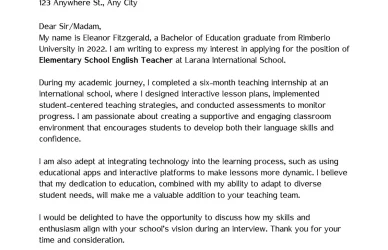
Your cover letter should be confident, specific, and focused on value. Start by stating your degree, institution, graduation year, and the role or opportunity you are applying for. In the second paragraph, show that you understand the organisation’s work and explain why it matters to you. In the third, highlight two or three achievements or skills, such as a research project, a previous internship, or leadership experience, and connect them to the organisation’s needs.
Close by stating your availability, thanking the reader, and inviting further discussion. Avoid sounding desperate or generic. Employers respond best to graduates who are clear about their goals and confident about what they can contribute.
Preparing for Graduate Interviews
Graduate interviews in Kampala are often more demanding than student internship interviews. Expect questions such as “Tell us about yourself,” “Why do you want to work here?”, “What did you learn from your degree that applies to this role?”, “Describe a challenge you overcame,” and “Where do you see yourself in five years?” Some employers include aptitude tests, written tasks, or practical assessments.
Prepare by researching the organisation thoroughly, reviewing your academic and practical experiences, and practising clear, structured answers. Use real examples to demonstrate your skills. Our guide on how to win an internship interview offers detailed preparation tips.
Understanding Pay, Allowances, and Fees
Graduate internship terms vary widely in Kampala. Some organisations offer stipends or allowances for transport and lunch, especially larger companies, international organisations, and well-funded NGOs. Many placements are unpaid, and some training-focused placements charge stated fees for mentoring, training, or insurance.
Before accepting an offer, confirm the duration, working hours, supervision, any allowance, and any fees clearly, preferably in writing. Weigh the value of the experience against the costs, and plan your budget for transport, meals, and living expenses. Our guide on how much an internship costs in Uganda will help you plan. Be cautious of offers that require large, unexplained payments or promise guaranteed jobs.
Questions to Ask Before Accepting a Graduate Placement
Before you commit, clarify the terms so you can plan properly:
- How long is the placement, and is there a possibility of extension or employment?
- What will my main responsibilities be, and who will supervise me?
- Is there a stipend, allowance, or any fee involved?
- What working hours and days are expected?
- Will I receive a certificate or recommendation letter on completion?
- How will my performance be reviewed?
Clear answers help you choose wisely between offers and avoid misunderstandings later.
A 30-60-90 Day Plan for Your Graduate Internship
Having a simple plan helps you make a strong impression and track your progress.
- First 30 days: Learn. Understand the organisation’s goals, structure, and systems. Learn colleagues’ names and roles, observe how work is done, and complete assigned tasks carefully. Ask questions and take notes.
- Days 31 to 60: Contribute. Take ownership of regular tasks, suggest small improvements, and volunteer for new responsibilities. Ask your supervisor for feedback on your progress.
- Days 61 to 90: Lead. Take responsibility for a small project or process from start to finish. Document what you have achieved, discuss your future with your supervisor, and identify skills you still need to develop.
Share your plan with your supervisor early. It shows maturity and gives both of you a clear framework for measuring your growth.
Turning a Graduate Internship Into a Job
Many graduates in Kampala secure permanent roles through their internships. To maximise your chances:
- Perform consistently: Be punctual, reliable, and professional every day.
- Take initiative: Volunteer for tasks, propose solutions, and go beyond the minimum.
- Learn the organisation: Understand its goals, systems, and culture so you can contribute meaningfully.
- Build relationships: Connect with colleagues across departments, not just your supervisor.
- Ask for feedback: Regularly ask how you can improve and act on the advice.
- Express interest: Near the end of your placement, politely let your supervisor know you would welcome future opportunities.
- Leave well: Complete your tasks, hand over properly, and request a recommendation letter.
Even if your host organisation cannot hire you, a strong reference from them can open doors elsewhere.
Managing Finances and Wellbeing After Graduation
The period after graduation can be financially and emotionally challenging, especially if your internship is unpaid. Create a realistic budget, reduce unnecessary expenses, and consider sharing accommodation or transport with other graduates. Some graduates take part-time or freelance work alongside internships to cover costs, as long as it does not affect their performance.
It is also normal to feel pressure when comparing yourself with peers. Focus on your own progress, celebrate small achievements, and stay connected with friends and mentors who encourage you. A graduate internship is an investment in your future, and consistent effort usually pays off over time.
Building Skills While You Search
If you are still searching for a graduate internship, use the time productively. Take short online courses in areas such as data analysis, digital marketing, project management, accounting software, or coding. Volunteer with community organisations to gain experience and references. Build a portfolio of your work, such as reports, designs, code, or articles. Attend workshops, career fairs, and professional events in Kampala to expand your network.
These activities strengthen your CV and give you powerful examples to discuss in interviews. Employers value graduates who show initiative and continuous learning.
Consider also strengthening your online professional presence. A complete professional networking profile, a tidy CV, and a simple portfolio website or document showing your best work make it easier for Kampala employers to discover and trust you. Keep your contact details professional, and review your public social media accounts to ensure they reflect the image you want employers to see. Small improvements in how you present yourself online can significantly increase the number of responses you receive.
Graduate Internships by Field
Different fields offer different graduate pathways. Business and finance graduates can target banks, audit firms, and corporate finance departments; browse business administration internships. ICT graduates can focus on technology firms and IT departments through our ICT internships. Tourism graduates can explore tourism internships. Health, social work, and development graduates can look at NGO internships and health and care internships. Public administration and policy graduates can explore government organisation internships.
Common Mistakes Graduates Should Avoid
Common mistakes include waiting too long after graduation before applying, applying only for permanent jobs and ignoring internships, sending generic applications, and failing to keep references and documents ready. Some graduates also turn down good learning opportunities because they are unpaid, without considering their long-term value, while others accept placements without confirming terms.
Avoid underestimating smaller organisations, which often offer more responsibility and faster learning. And never pay large sums for “guaranteed jobs” or placements from organisations you cannot verify.
For Employers: Hire Motivated Graduates
If your Kampala organisation needs capable, motivated support, graduate interns bring fresh knowledge, energy, and a strong desire to learn. You can post an internship opportunity, browse our Candidates page, explore our corporate packages, and read our guide on how to get internship students.
Frequently Asked Questions About Graduate Internships in Kampala
Can graduates apply for internships in Kampala? Yes. Many organisations accept graduate interns, though some listings are aimed at continuing students. Always check eligibility requirements.
How long do graduate internships last? Typically three to twelve months, depending on the organisation and programme.
Are graduate internships paid? Some offer stipends or allowances, many are unpaid, and some charge stated fees. Always confirm the terms before accepting.
What documents do graduates need? A CV, cover letter, transcript, certificate or provisional results, recommendation letters, and a portfolio where relevant.
Can a graduate internship lead to a job? Yes. Many organisations hire strong interns into permanent roles, and good references help you secure jobs elsewhere.
How do I find graduate internships in Kampala? Use the Kampala filter on Uganda Internship, apply directly to organisations, attend career events, and use your professional network.
Graduate Internship Opportunities in Kampala
A graduate internship in Kampala can transform your career prospects. It gives you the experience employers demand, the references that open doors, and the confidence to succeed in the workplace. With a strong application, a professional attitude, and consistent effort, your internship can become the bridge between graduation and your first job.
Learn more about Uganda Internship, contact our team or visit our Nakasero office for guidance, and start exploring graduate internship opportunities in Kampala today.